Tag: childhood

  • Sketches of a 1950s Childhood

    The following is an excerpt from the book I am currently writing titled: It’s Been A Long Time Coming
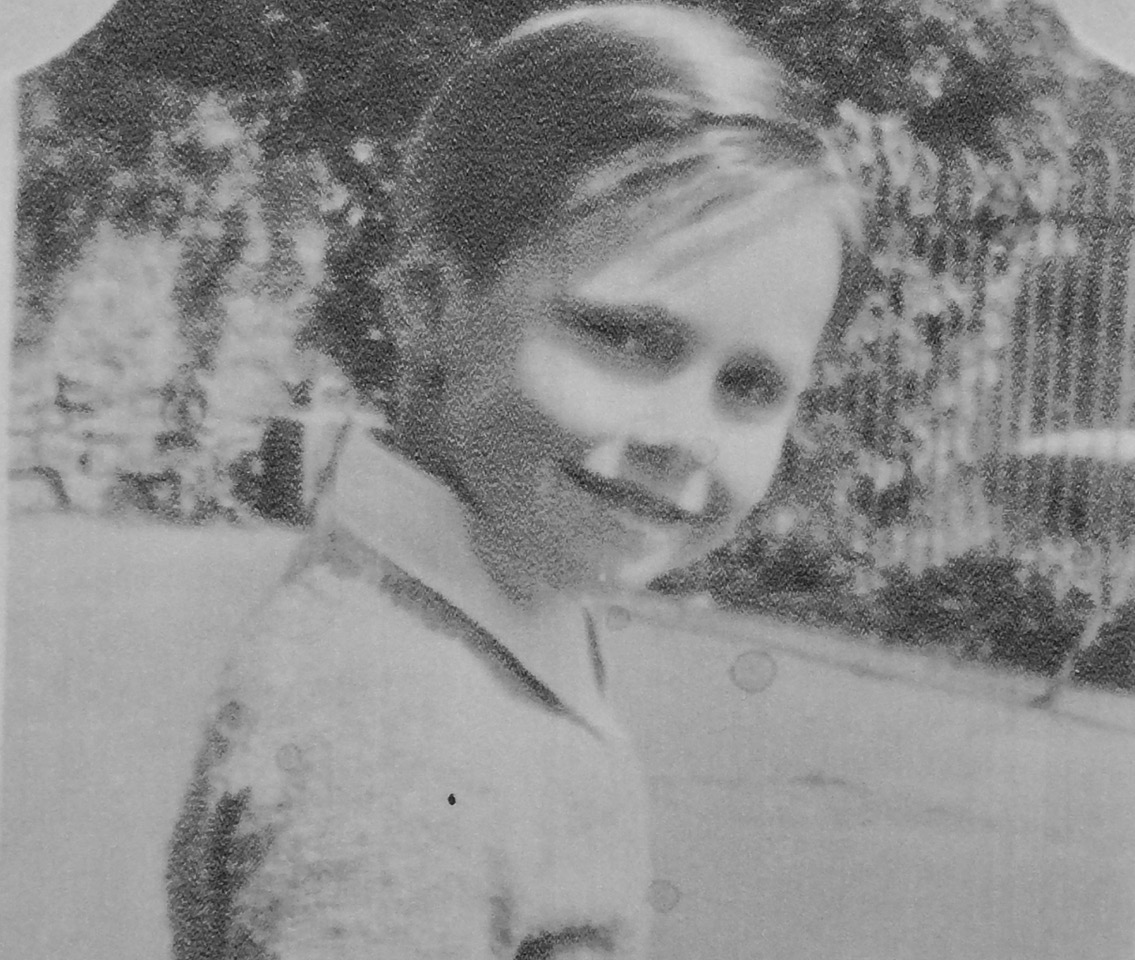
    Rooks nesting in the elm trees soar in the wind above me as I roam freely round the farm. My Dad reaches me across the fields as he whistles his favourite tunes while he works. There is the familiar sound of a steam train puffing past two fields away, as they do half a dozen times a day, answering the sign to “whistle” as they shoot under the road bridge to warn the next station of their imminent arrival. Sometimes my sister and I walk or cycle down our lane, out onto the road and a short way along so we can stand on the bridge to watch a train go shooting past under our feet. Clouds of steam and coal smoke stinging our noses with its pungent smell.

    A chicken that my dad dispatched with his farmer’s efficient dispassion, hangs by its feet in our pantry. My mum takes it down and sits outside the backdoor to pluck it.  She tells me how she doesn’t like handling feathery things and hates this job, though it has to be done. Then I watch with fascination as she guts it, plunging her bare hand inside its back end and explaining the innards to my enquiring mind. All the preparations for a Sunday roast. 

    Saliva flows in my mouth as the sweet smell of Mum’s cooking wafts through the kitchen door to where I sit on the hall floor with paper and pencils drawing horses. I am obsessed with horses, trying to draw them mostly; repeating my attempts over and over to try to capture their elegant and graceful shapes. Never quite feeling satisfied with what is a very difficult subject for a child artist. But it keeps me absorbed for a good many hours on rainy days. 

    I love assembling round the family table to eat the produce from our land, with laughter that turns order and formality into family fun. We visit our grandparents often. Pop Swat, as we call him, never speaks much. He sits in his armchair with a cigarette hanging from his lower lip, while Nona (she didn’t like being called grandma), will be busy in the kitchen until we all sit down to eat roast beef with vegetables from her kitchen garden. Even the horseradish sauce is homemade from the roots she has dug up, washed and prepared before we arrived. Her leathery hands and dirty fingernails are proof of her many hours in her beloved garden. A farmer’s daughter, she always seems healthy and strong, her cheeks flushed and her forehead tanned from hours in the fresh air. Every time we visit there seems to be some new treat in stall for us. Fresh picked peas in their pods, or strawberries in season or hot fruit pie and custard, with apples from her Bramley tree.

      I am sculpting tunnels and hills in my sandpit; the innocent joy of absorption as imaginary worlds unfold in every moment of play. I surround myself with toys on my bedroom floor, and with a bit of input from Mum, my sister and I play monopoly or card games like cribbage, that our other granny taught us. But more than anything I love to create dens built in ditches or hedges, for hiding from grown-ups or other imaginary threats; spying from my treehouse in the secret shady boughs of the yew tree that oversees the vegetable garden. 

    All this held in nature’s generous tapestry or in the holding boundary of our home. Even those boredom times when nothing captures my interest..

    I remember cycling to the country village with sixpence in my pocket for those colourful sweets stored in big glass jars on high shelves above the soup tins and cigarettes. The impossible choice whether to risk something new or to stick with penny chews and sherbet lemons that are my favourites. Sugary treats all served with patience by the aproned lady behind the wooden counter.

    Tottering about on Christmas roller skates with my sister. Laughter and bruises. Taking her for granted as my mentor and sometimes my tormentor too. She is willing and kind towards her younger brother, but sometimes I do test her patience so that games turn into arguments or occasional tussles over the ownership of toys; but nothing serious that our mother can’t help us resolve.   

    Stormy nights with rain spattering the glass and wind that creeps through the leaky casement windows, shifting the curtains to raise my fears of the dark where danger lurks, driving me deeper under the weight and safety of those all woollen blankets in my own familiar bed next to the paper-patterned wall.

    And when sleep won’t come the grandfather clock in the hall cuts the stillness of those lonely small hours with its quarterly call for attention, groaning its tired mechanism to life with chimes that reach up the stairs, counting my family safely through the night.

    My sister and I spend hours playing in the small river that borders our farm; not that it seems small to us. Being born a Pisces fish, water is my element and I can lose myself for hours, building pebble dams in the shallows, fishing with jam jars for sticklebacks or floating the raft I made with two oil drums and some wooden planks.     

    I often wake early to the sound of Dad banging the back door shut for the first milking of the day. Cows wait their turn in line, swollen udders bulge and swing as they shuffle into place for their twice daily routine. I dress myself and go out to move among them with confidence, dwarfed by their gentle heaving shapes; steam rising in the early morning air; hot grassy breath spilling from their wet noses.

    I am standing quietly in the corner of one of the cow sheds watching the birth of new life as my dad hauls on two slimy legs that are sticking out of the back end of a very fat cow. I am in mild shock as he pulls and sends verbal encouragement to the mum. A limp body slowly emerges and then flops on to the soft straw in a heap. My Dad pokes a strand of straw up its nostrils and what seemed inert miraculously comes to life with a jerk. We stand back as the mother turns instinctively to lick and massage her calf. Within a few minutes the newborn struggles up onto its spindly legs and lurches forward looking for a teat for its first drink of colostrum. 

    My feelings turn from disgust to wonder, witnessing the start of a new cycle of life, something timeless, universal and yet so intimate. It’s an early taste of what will be a pivotal point in my life when my own daughter is born, twenty five years later. Not much is said. My Dad is relieved at the safe arrival of the new calf and happy that his job is done. It’s all part of farm work and the farming year, which I take for granted on one level, as it is the only reality I know. 
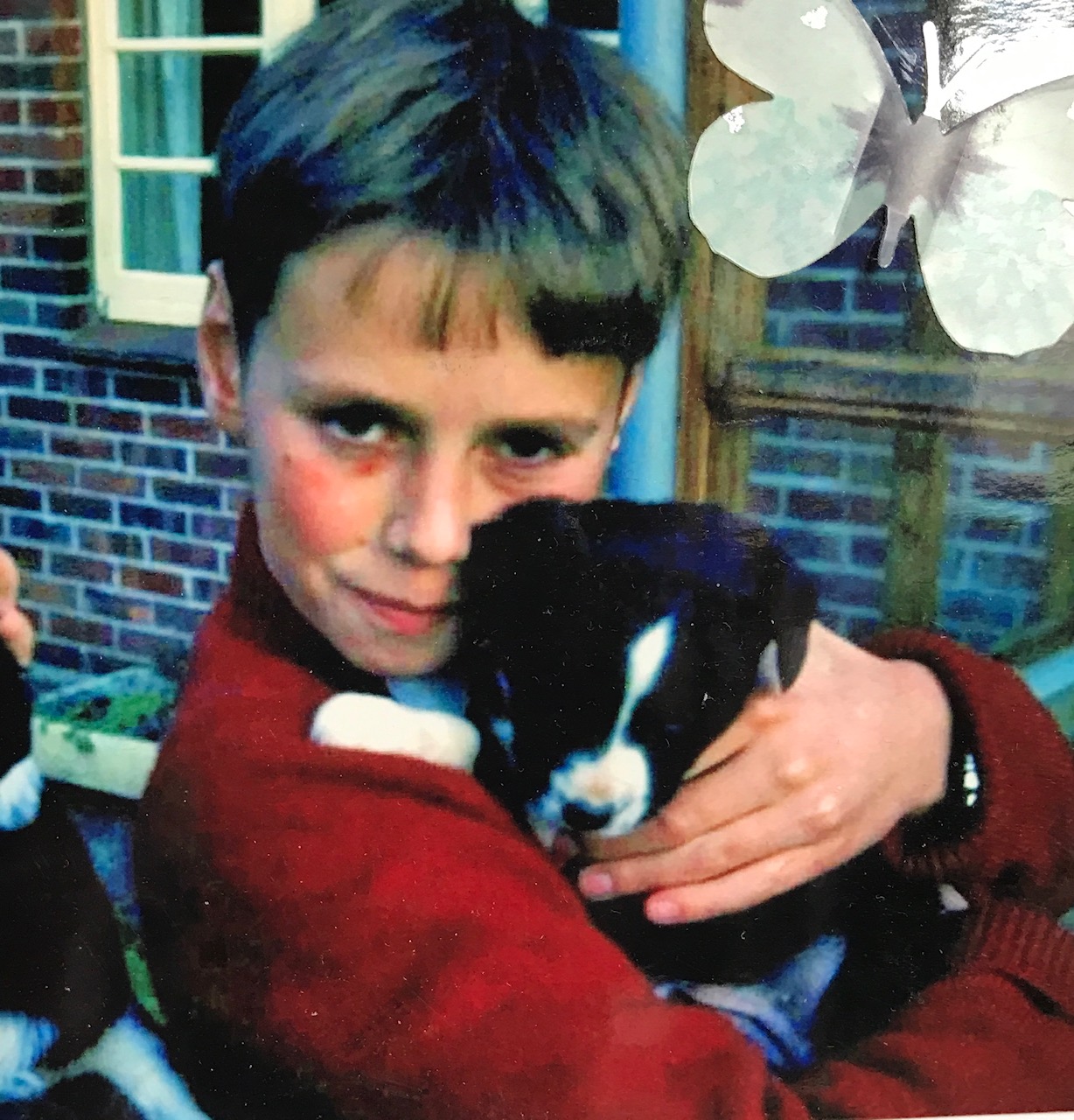
    Ruth, a friend of our Mum’s, lives in a cottage up the road. She and mum met at teacher training college and having no children of her own, Ruth invites us to visit for the day sometimes. I sense her mystical nature, she is creative and artistic, introducing us to things beyond the world I know at home. 

    One birthday she gives me a little homemade booklet depicting the story of St Francis in words and pictures she has put together herself out of her own love for the saint. This is my first conscious memory of connecting religion and the sacred with nature. I find it very inspiring and have kept the booklet all through my life as a treasured memento of how Ruth opened me to the divine.

    There were other things Ruth taught me, and I don’t know if she ever realised how much she influenced my early development. When she discovered I was crazy about boats, (more on this later) she gave me a stamp collection, comprising two meticulously presented albums that she had inherited from her uncle. He had been a sailor in the merchant navy and had specialised in stamps depicting ships and sailing boats, mostly from Caribbean Islands, Cape Verde,  Mauritius; the exotic places he had travelled to, no doubt. I loved these little images of beautiful schooners and other merchant ships in full sail. So exciting and romantic to my young mind. 

    When I was in my early teens Ruth gave me a thick hardback volume she must have found second hand; five hundred pages depicting traditional art and crafts from all the countries of Asia. What a gift! I fell in love with oriental art and particularly Japanese woodcut prints which I would later study in more depth at art college. Recalling all this now, I am realising Ruth’s generosity and foresight. She was always poor of pocket and poor in health, humble in her wisdom, an amateur astrologer, primary school teacher, nature lover, hedge-witch in the best sense of the word, spiritually imbued and a good friend to my mother, who loved to be stretched by Ruth’s depth and wisdom, but who could never quite hold those qualities in her own being. 

    I feel very sad looking back that I rarely visited Ruth in my adult years. I never showed her the appreciation she deserved before hearing one day from mum that she had died and it was too late to let her know how much she had gifted me. One of many regrets that I began to see as I got older and more aware of my shortcomings. I have my explanation for becoming numb and disconnected when I had to live through experiences which blunted my ability to empathise and express gratitude for the gifts of those early years.

    So many early experiences that wove my childhood world together with stitches of safety and security, but then suddenly was whisked from under me to become just memories; images in my mind that I sought to cling to from far away at english boarding school where feelings were out of bounds and homesickness was a thing of shame to hide and struggle through in silent misery…..
  • Magic at Milking Time

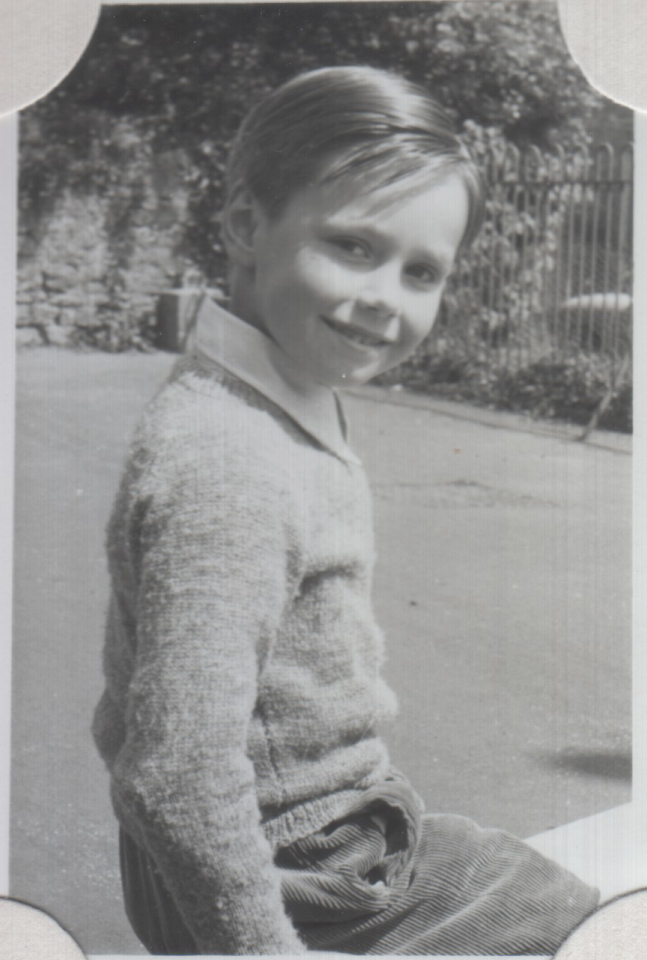
    I look back through the six decades of my life to recall a memory, clear and resonant.
    A little boy moving among my father’s cows as they assembled in the concrete yard of our small farm waiting to be milked.
    mepicprimaryschool
    Fearless and totally trusting, I loved to move among them, experiencing their huge bodies towering over me, the feel of their thick coats, silky smooth in one direction and rough against my little hands in the other, as I stroked their flanks and nuzzled into their soft necks, using their animal heat for warmth against the early morning cold.

    I remember becoming mesmerized by their gleaming wet noses, their breath billowing from their nostrils in rhythmic spurts of steam, carrying the sweet smell of the damp hay they were chewing patiently, as they waited, their full udders swinging heavily between their legs as they moved and jostled to line up for their turn in the milking parlour. Sometimes they were so ready to drop their milk that little streams of the creamy white liquid would squirt from a teat, making rivulets of pure white on the muddy concrete.

    The cows‘ feet and legs were always caked in mud where they had to enter the yard through the field gate. My father regularly tried to fill the area with hardcore to combat the effect of the cows‘ daily convergence. The tramping of dozens of cloven hooves of these heavy beasts created a deep mud soup that smeared their legs up to their shins all winter, and was impossible for us children to cross without losing a welly boot or keeping us entirely stuck , screaming for parental rescue.

    Cows have an air of contentment, almost stillness, with their slow ponderous bodies and their patient chewing of the cud, that fascinated me at that time and since. My memory of all this, but more particularly my sense of how I seemed to merge with the cows at the young age of 5 or 6, comes back to me now as hugely significant, reminding me of the power of those early experiences on the farm, in nature, at one with the animals.

    I can remember looking up into a cow’s eye as she stared back at me; the wild non-human otherness I saw in it, while I could sense the gentle reassurance of a mother to a child.
    After all, these cows were all mothers. I had already seen them giving birth out in the field. The wonder and magic of watching a slimy limp and leggy object sliding to the ground in a lifeless heap; the mother turning to lick and nuzzle her newborn, bringing it to life, so that within a few minutes the flimsy creature, struggling against the forces of nature, would miraculously rise to its feet, stagger about and quickly find its way to its mother’s teats for its first taste of strengthening milk.

    Once he was reassured of the calf’s ability to drink and the mother’s instincts to care for her young, my father would lead me away to let nature take its course. For my father these
    must have been anxious events. The husbanding of his herd and the regular production of healthy progeny, was the key to the survival of his farming business at that time. But for me it was the only world I knew and on one level it was familiar routine for my dad too. And yet there was a beauty and sense of wonder that shone through, informing me at a soul level, giving me a sense of deep interconnection with the rhythms of life and the laws of nature.

    Our father never spoke of it this way. He was a sensitive man but pragmatic and if he felt these things he never shared them . Our mother, a school teacher, took us on nature walks, teaching us the names of wild flowers and birds, talking about the animals that lived around our farm. This was a gift to my sister and I in giving a factual base to our world. But the feeling of interbeing that I was open and receptive to, as I spent time with the cows, was something that must have been innate in me as a little boy. That innocent, intuitive, immanent sense of embodied oneness was educated out of me by ten years at a boys’ boarding school, through rational, paternalistic grooming – not lost but pushed deeper into my psyche for me to retrieve later.
    mepic4
    But before that stage of my childhood began, I came running into the kitchen one morning with blood pouring from my mouth. My mother told me later she was panicked to see me and I was whisked off to the doctor, where it became clear, through examination and what I was able to describe, that a cow had inadvertently whipped its head around (probably not realising I was standing at her side) and the tip of her horn had caught the corner of my mouth, tearing my upper lip, a part of the body that bleeds profusely. It was decided not to stitch the wound but to let it heal naturally and to this day I have a small scar as a record of that unfortunate moment.

    I can’t recall if I was frightened of the cows after that, but my parents pointed out to me the horn could have taken my eye out or worse. They warned me not to walk among them any more and my father had all their beautiful horns cut off. They were what is now a rare breed of dairy cattle called Short Horns. I wasn’t there when the man came to carry out the dehorning, but I do remember a huge and gruesome pile of those emblems of bovine splendor left to slowly rot in a ditch behind one of the outbuildings. I understand now my father’s decision, but at the time I felt terribly sad to come across this graveyard, for which I felt somehow to blame.

    I ask myself: was my childhood experience any less profound than communicating with white lions in africa or living in the dreamtime in the australian outback? I have only been able to grasp the significance of those non-dual moments of my childhood through my adult years. But now I am coming full circle, through a combination of conscious spiritual practice over many years, and a gradual surrender to the divine feminine, in which I can consciously evoke something of that original natural beauty and wonder of existence that my soul longs for – coming home to my original innocence.

  • Surviving Boarding School – New Boy.

    The master led us up the grand staircase and along a dim corridor with bare and squeaky floorboards; past the dorms of the older boys, who were still chatting noisily downstairs on that first night.

    We found ourselves in an attic dormitory with its eight beds all squashed in. The master left us to get to know each other and prepare for ‘lights out’, as he called it, but boyish chatter was in short supply that first evening. I felt the strained silence of shyness and unspoken distress as we all got undressed and into bed. The master returned to check that we were all tucked in, then blurting his impersonal ‘good night’, he plunged us into darkness. As the light went out I momentarily noted that several boys had already disappeared under their coarse woollen blankets.

    I lay face up adjusting my eyes to the darkness until, after barely a minute, muffled sobbing came from the bed next to me, with at least one more further away. Through my disorientation and numbness came a very clear and determined thought:
    ‘I must be OK because I am not crying’.
    My own attempt to self-comfort – the inner voice of a sensitive eight-year-old protecting himself against the unbearable pain that lay barely hidden beneath his bravery. The only thing we had in common on that dark night was that we would not be seeing our parents for three weeks at least and our homes were unimaginably far away.

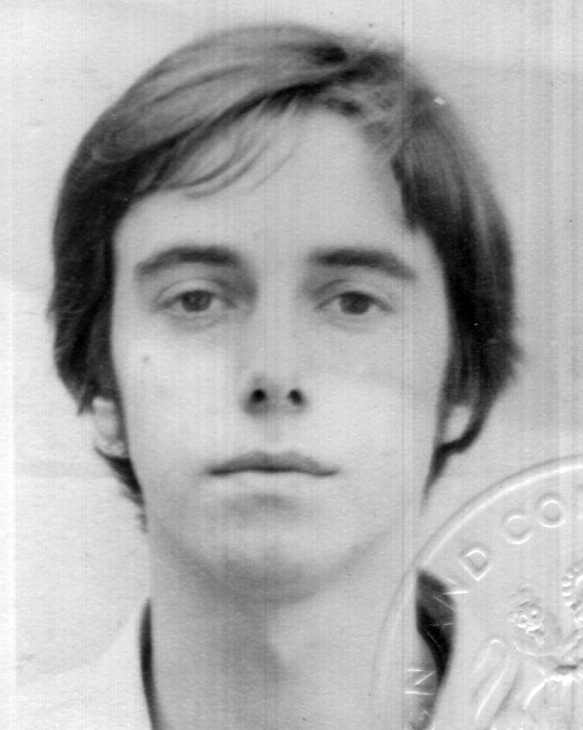
    My inner protecting voice ensured I survive that night and the next five years. It dampened my sense of loss. But my statement to myself also effectively cut me off from my feelings and imprinted me with emotional blocks that have affected me over the following fifty years.

    I lay awake a while longer, my loneliness and confusion becoming overlaid by the more immediate fears of what tomorrow would bring; whether I would be able to find my way back to our classroom and all the other areas of this seemingly vast and spooky old building. Eventually, exhausted by it all, I fell into a restless sleep to the eerie yet soothing sound of the night wind moaning in the casement windows.

    Over the next weeks and months, I grew to cherish that time of the night before sleep; lying in the dark dormitory with just my own thoughts disturbed only by the restless breathing of the other poor sods with whom I shared my life. It became a necessary moment of coming back to my self in that quiet, after all the bustle and pressure of the day. I could allow my inner feelings a little, wonder what might be happening at home, try to make sense of it all in my childlike way and worry over whatever homework or test lay in stall for us the next day, knowing that it was all down to me. Noone else was there to share my burdens and worries. There were no reassuring arms to fold myself into and no kindly words of advice to show me the way.
    ……..At some point in those early days, possibly even during that first lonely night away from home, I made a massive but unconscious decision that would have far-reaching effects on the rest of my life. But I will come to that later……….

    – This is the first part of a longer autobiographical essay about the moulding of young souls to become leaders of men, how it affected me and my future life. I have never spoken out about it before and my story flows in fits and starts. Much of it still lurks unformed, after years of gestating in my body. Further excerpts will follow.